Material
Why Aluminium Frames Are Popular in Residential Projects
Jul 29 2026
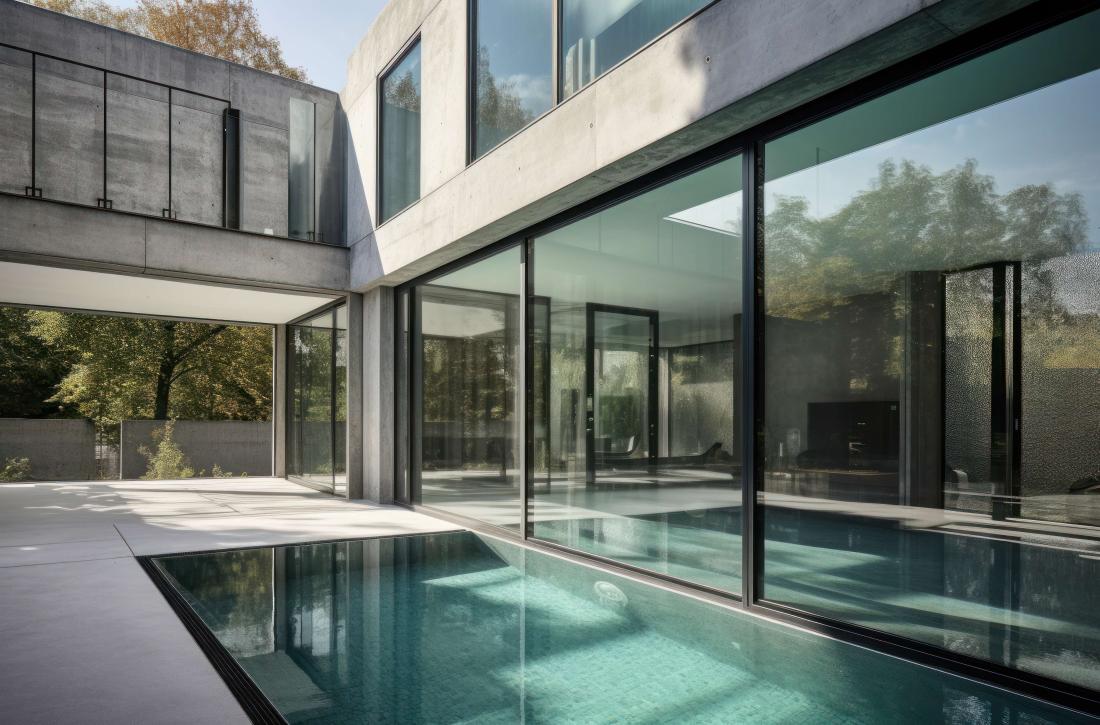
Discover why aluminium frames are a top choice in residential projects across Malaysia — from durability and design flexibility to long-term cost savings.
There is something quietly impressive about a home that ages well. The walls stay clean, the windows open smoothly, and the finishes do not peel or rust after the first monsoon season. In Malaysia, where humidity is relentless and rainfall does not wait for convenient timing, homeowners have increasingly turned to one material that holds its own against the climate year after year — aluminium. The aluminium frame residential market in Malaysia has grown steadily over the past decade, and for good reason. Whether you are building a new terrace house, renovating a semi-detached property, or fitting out a condominium unit, aluminium frames have become a fixture in modern residential design. This article explores the reasons behind that popularity and why more Malaysian homeowners and contractors are making the switch.
Why Aluminium Frames Are Popular in Residential Projects
There is something quietly impressive about a home that ages well. The walls stay clean, the windows open smoothly, and the finishes do not peel or rust after the first monsoon season. In Malaysia, where humidity is relentless and rainfall does not wait for convenient timing, homeowners have increasingly turned to one material that holds its own against the climate year after year — aluminium. The aluminium frame residential market in Malaysia has grown steadily over the past decade, and for good reason. Whether you are building a new terrace house, renovating a semi-detached property, or fitting out a condominium unit, aluminium frames have become a fixture in modern residential design. This article explores the reasons behind that popularity and why more Malaysian homeowners and contractors are making the switch.
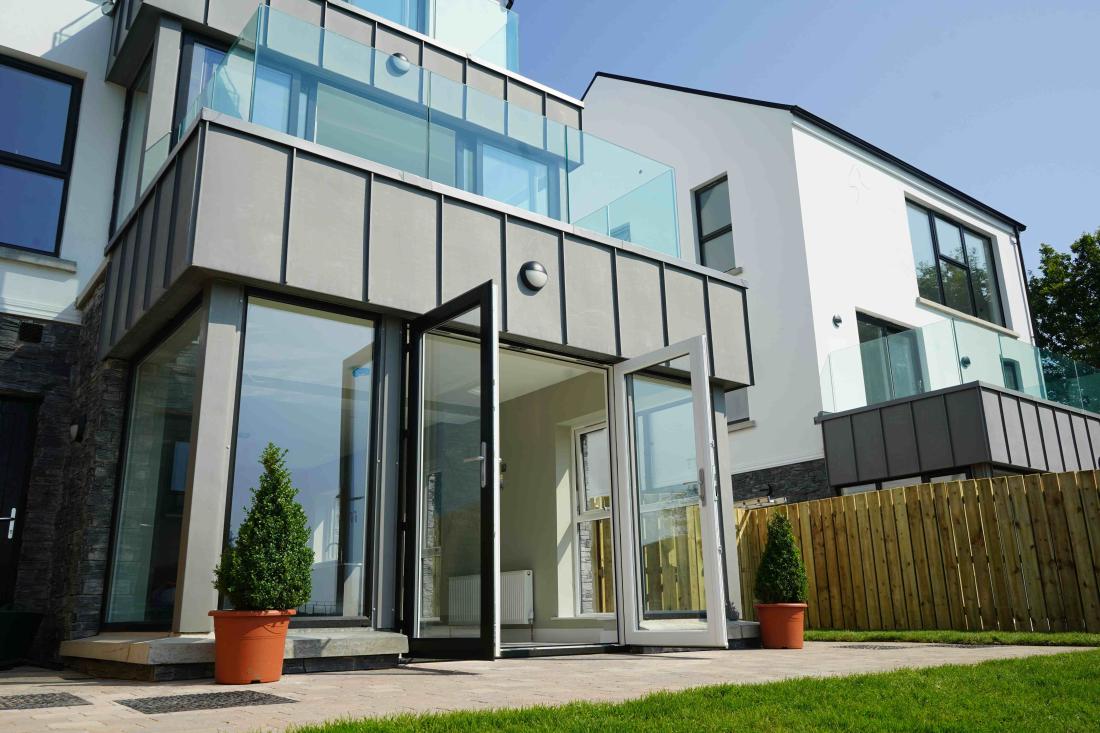
What Makes Aluminium Frames the Right Fit for Malaysian Homes
The Climate Factor Nobody Can Ignore
Malaysia sits close to the equator, which means two things: heat and rain, almost every single day of the year. This is not an exaggeration — average humidity levels consistently sit above 80%, and the annual rainfall in many states exceeds 2,500 mm. For building materials, that is a punishing environment.
Timber frames, once the go-to choice for windows and doors in traditional Malay homes, absorb moisture and expand. Over time, they warp, crack, and become difficult to open or close properly. Steel frames, while strong, are prone to rust when protective coatings wear thin — and in a tropical environment, that happens faster than most homeowners expect.
Aluminium, on the other hand, does not rust. It forms a natural oxide layer on its surface that acts as a barrier against corrosion. An aluminium window frame in Malaysia can last 30 to 40 years with minimal maintenance, which makes it a genuinely practical investment rather than just a stylistic preference. For a homeowner comparing options, that lifespan speaks for itself.
Strength Without the Weight
One of the first things contractors notice when working with aluminium frames is how light they are relative to their strength. Aluminium is roughly one-third the weight of steel, yet structurally sound enough for large window openings, sliding doors, and even curtain wall systems in multi-storey residential buildings.
This matters in residential construction for several reasons. Lighter frames put less stress on the surrounding structure, which is particularly relevant in older homes being renovated. They are also easier to handle during installation, which can reduce labour time and, by extension, project costs. In high-rise residential developments — which make up a significant share of new housing in Kuala Lumpur, Selangor, and Penang — aluminium frames are almost universally specified because of this balance between weight and performance.
Aluminium Window Frame Malaysia: Design Flexibility That Keeps Up With Trends
Powder Coating Opens Up a World of Colour
Walk through any new residential development in Malaysia today and you will notice that aluminium frames are no longer just silver or white. Powder coating technology has transformed what aluminium can look like. Homeowners can now choose from hundreds of colours, from muted earth tones to bold architectural shades, and the finish is applied electrostatically before being cured under heat — resulting in a surface that is far more durable than conventional paint.
This matters because Malaysian homeowners, particularly in the middle and upper segments, have become increasingly design-conscious. Social media, interior design platforms, and the growth of modern minimalist aesthetics have raised expectations for how a home should look. Aluminium frames fit naturally into contemporary design languages — they can be made slim and sleek for a modern look, or finished in woodgrain laminates for homeowners who want the warmth of timber without its maintenance challenges.
Profile Variety for Every Opening Type
The aluminium frame residential market in Malaysia offers a wide range of profile systems suited to different applications. Casement windows, sliding windows, top-hung awning windows, bi-fold doors, and sliding glass doors — all of these can be fabricated from aluminium extrusions tailored to the structural and aesthetic requirements of the project.
This versatility is something that other materials simply cannot match at the same price point. Upvc profiles, for instance, are limited in terms of span length because the material flexes under load. Aluminium does not have this limitation, which is why it is the preferred choice for large glass facades in bungalows and semi-detached homes where the homeowner wants expansive views.
Fabricators in Malaysia typically work with standard profile systems from established brands, but custom profiles can also be extruded for high-end projects. This means the material can be adapted to almost any design vision, which is a significant advantage for architects and interior designers working on premium residential builds.
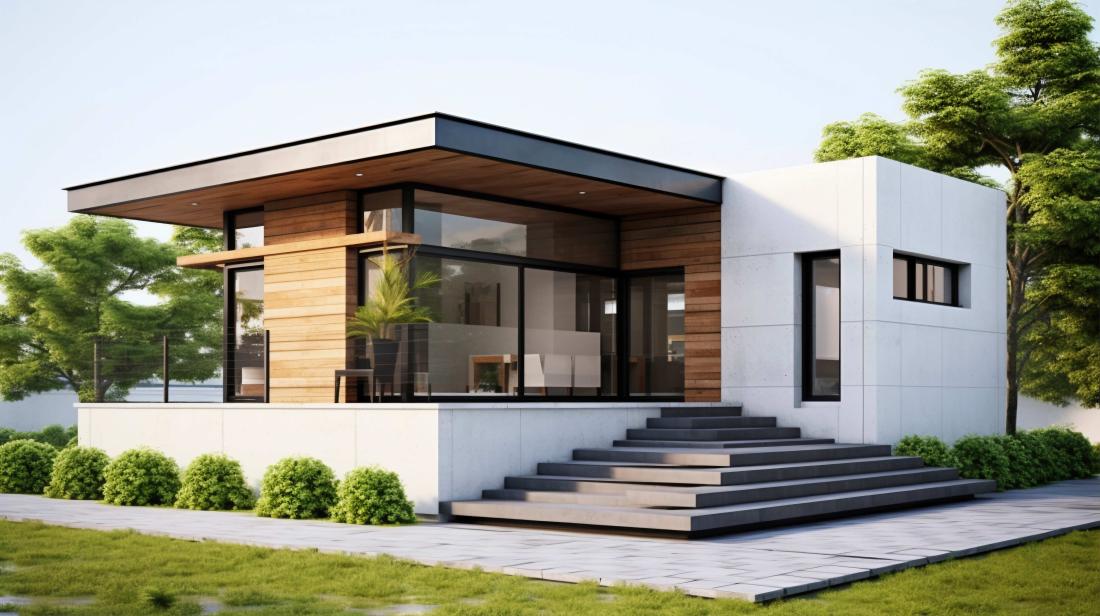
Long-Term Value: The Financial Case for Aluminium Frames
Low Maintenance Means Lower Lifetime Costs
When people compare material costs during the planning stage of a residential project, they often focus on the upfront price per unit. By that measure, aluminium frames sit above basic steel or timber options. But the comparison changes significantly when you factor in maintenance costs over the lifetime of the building.
Timber frames need to be repainted or re-varnished every few years. Steel frames require regular checks for rust, and any breach in the protective coating needs to be addressed promptly before corrosion takes hold. Aluminium frames, once installed, need little more than an occasional wipe-down with a damp cloth and periodic checking of the rubber gaskets and sealants.
For Malaysian homeowners managing renovation budgets carefully, this reduction in ongoing maintenance is meaningful. A high-quality aluminium window frame in Malaysia might cost 20 to 30 percent more than a comparable steel frame upfront, but the savings in repainting, rust treatment, and eventual replacement can more than offset that difference over a 10 to 15 year period.
Energy Efficiency Through Thermal Break Systems
An area where aluminium frames have evolved significantly in recent years is thermal performance. Standard aluminium is a good conductor of heat, which in a hot climate like Malaysia means heat transfer through the frame is a consideration. However, modern aluminium frame systems now incorporate thermal break technology — a layer of insulating material inserted into the aluminium profile that interrupts the conductive path.
For air-conditioned spaces, this can make a measurable difference. Windows and doors fitted with thermally broken aluminium frames reduce the amount of heat that enters a room through the frame itself, which means air conditioning systems do not have to work as hard to maintain a comfortable temperature. Over time, that translates into lower electricity bills — a benefit that increasingly matters to Malaysian homeowners who are watching energy costs closely.
Aluminium Frame Residential Projects in Malaysia: Industry Context
A Material Supported by Local Supply Chains
One reason aluminium frames have become so accessible in Malaysian residential construction is the maturity of the local supply chain. Malaysia has a well-established aluminium extrusion industry, with manufacturers in the Klang Valley, Johor, and Penang producing profiles that meet international standards. This local availability keeps lead times short and costs competitive compared to imported alternatives.
Contractors working on residential projects across different price segments — from affordable housing schemes to high-end bungalow builds — can source aluminium frames reliably and have them fabricated to specification within reasonable timeframes. That supply chain reliability is something builders and developers factor into their material decisions, and it has helped cement aluminium's position as the default choice for window and door framing in most residential typologies.
Compliance With Malaysian Building Standards
Aluminium frames used in residential construction in Malaysia must comply with relevant standards, including MS 1063 (the Malaysian Standard for aluminium alloy windows) and requirements set under Uniform Building By-Laws 1984. Reputable fabricators and suppliers will be familiar with these requirements and ensure their products meet the necessary wind load, water penetration, and structural performance criteria.
For homeowners undertaking renovation or new build projects, working with a contractor who understands these compliance requirements is important — not just for safety, but because non-compliant installations can cause problems at the point of occupancy certificate application.
Sustainability and the Growing Case for Aluminium
Recyclability as a Long-Term Advantage
Aluminium is one of the most recyclable materials in construction. Unlike composite materials that are difficult to separate and reprocess, aluminium can be melted down and recast into new profiles with minimal loss of quality. In fact, recycled aluminium requires only about five percent of the energy needed to produce primary aluminium from bauxite ore.
As sustainability considerations become more prominent in Malaysian residential construction — driven by Green Building Index certification, developer ESG commitments, and growing homeowner awareness — aluminium's recyclability becomes a genuine selling point rather than a background fact. Choosing aluminium frames contributes to a building's environmental credentials and aligns with longer-term thinking about material lifecycles.
FAQ
Q1: Are aluminium frames suitable for all types of residential buildings in Malaysia?
Yes, aluminium frames are suitable for landed properties, condominiums, apartments, and high-rise residential buildings. They can be fabricated for a wide range of opening types and sizes, and the profile systems available in Malaysia cater to everything from basic sliding windows in affordable housing to large glass facades in premium bungalows.
Q2: How long do aluminium window frames typically last in Malaysia's climate?
A well-installed aluminium frame in Malaysia can last between 30 and 40 years with minimal maintenance. The key factors affecting longevity are the quality of the powder coating finish, the integrity of the rubber gaskets and sealants, and whether the installation meets proper weatherproofing standards.
Q3: Is it possible to upgrade existing timber or steel frames to aluminium during a renovation?
Yes, this is a common renovation upgrade. A qualified contractor can remove existing timber or steel frames and replace them with aluminium profiles, often without significant structural alteration to the surrounding wall or opening. It is advisable to get a site assessment done beforehand to determine the best profile system for each opening type and to ensure proper waterproofing during the transition.
Q1: Are aluminium frames suitable for all types of residential buildings in Malaysia?
Yes, aluminium frames are suitable for landed properties, condominiums, apartments, and high-rise residential buildings. They can be fabricated for a wide range of opening types and sizes, and the profile systems available in Malaysia cater to everything from basic sliding windows in affordable housing to large glass facades in premium bungalows.
Q2: How long do aluminium window frames typically last in Malaysia's climate?
A well-installed aluminium frame in Malaysia can last between 30 and 40 years with minimal maintenance. The key factors affecting longevity are the quality of the powder coating finish, the integrity of the rubber gaskets and sealants, and whether the installation meets proper weatherproofing standards.
Q3: Is it possible to upgrade existing timber or steel frames to aluminium during a renovation?
Yes, this is a common renovation upgrade. A qualified contractor can remove existing timber or steel frames and replace them with aluminium profiles, often without significant structural alteration to the surrounding wall or opening. It is advisable to get a site assessment done beforehand to determine the best profile system for each opening type and to ensure proper waterproofing during the transition.